Don Richardson, a prominent missionary known for his extensive outreach to the Sawi tribe in South Papua, Indonesia during the 1970s, has dedicated his life to fostering interfaith dialogue as a “minister-at-large” for World Team since 1977. His latest endeavor involves an insightful exploration of the Islamic holy text, the Koran, which he analyzes to uncover its teachings, historical context, and cultural implications, aiming to build bridges between diverse worldviews. A speaking engagement of Don’s can be found here.
Richardson presents the Koran not merely as a religious scripture central to Islam but as a significant cultural artifact for millions of Muslims worldwide. He emphasizes its vital role in shaping Islamic faith and identity, initiating discussions about its relevance across various cultural contexts. His analytical journey begins with the revelation of the Koran, framed within the historical backdrop of the Prophet Muhammad’s life. Structured in surahs (chapters) and ayahs (verses), the Koran provides profound insights into Islamic perceptions of God. Richardson juxtaposes these insights with Christian beliefs, highlighting key attributes such as mercy, justice, and omnipotence. By exploring concepts of humanity and creation within the Koran, he reflects on moral and ethical frameworks, including the tension between free will and divine predestination. Through this exploration, he identifies shared themes of grace, redemption, and forgiveness that resonate across both faiths.
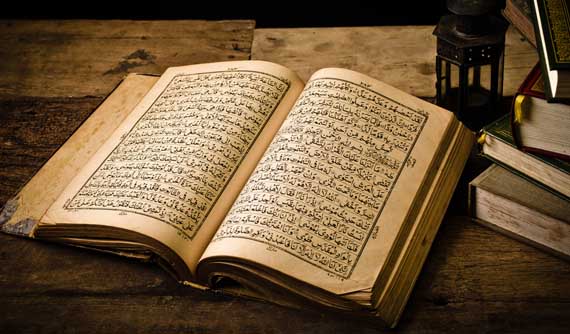
Richardson likewise draws attention to the life of Muhammad, the social and political environment of 7th-century Arabia, and the role of the Angel Gabriel as the messenger of divine revelation. He discusses Islamic views on God’s attributes, the rejection of the Trinity, and the portrayal of God as both immanent and transcendent. He also approaches the narratives of key figures like Adam and Jonah, framing them as “redemption narratives” that echo themes of seeking forgiveness and mercy, similarities that resonate with Christian teachings.
A significant portion of Richardson’s work addresses common misconceptions surrounding Islam, especially prevalent in Western societies. He delves into misunderstandings related to concepts like jihad, women’s rights, and violence, advocating for dialogue and education as essential tools for fostering respect and understanding between Christians and Muslims. His nuanced approach involves analyzing texts from both the Koran and the Bible, showcasing shared narratives while respectfully acknowledging divergent theological interpretations. He ultimately urges Christians and Muslims to engage in meaningful conversations, appreciating both the differences and similarities that exist. He stresses the importance of continued learning and openness to understanding Islam, particularly the Koran, highlighting interfaith relationships as a pathway toward cooperation.
Criticisms and Conclusions
Despite Richardson’s earnest intentions, critics contend that his approach might oversimplify the intricate issues present within Islam. They caution that focusing on similarities between the two faiths could obscure significant theological differences and emphasize aspects of the Koran that align with his viewpoints. This critique raises essential questions about the effectiveness of viewing Islam solely through a Christian lens and the complexities that could be overlooked in such discussions. His “Secrets of the Koran” provides a valuable foundation for understanding the Koran and its impact on Islamic culture. His insights encourage a balanced view that recognizes the differences between Islam and Christianity while also honoring their shared values. As interfaith dialogue continues to evolve, it becomes increasingly crucial to engage critically with such works, adapting approaches to embrace the rich complexities of faith and the diverse beliefs and traditions that shape our global community. Ultimately, such a call for ongoing exploration and openness to learning is essential in the context of our ever-changing world. But, it is important to do so cautiously and to avoid the dangers inherent in ecumenicism.
If you would like to know more about Islam we would like to recommend asking about studying the topic more in-depth at one of HBC’s Small Groups. We currently have a Small Group in Lakeside that meets Wed (1pm) and Thu (10am) and a Men’s Prayer Group (Fri 8am). For more information on new groups starting, please contact us at 541-271-2023.

 Harbor Baptist Church
Leave a comment