We are starting a new series this month on the blog called the Five-Fold Ministry Series which will focus on a comprehensive explanation of the Five-Fold Ministry gifts, beginning with this first article serving as an introduction, then each subsequent article providing a detailed description and application of each of the gifts, and then a final article providing several examples of how the Five-Fold Ministry should work together for the benefit of the entire church. This concept originates in the New Testament, from Ephesians 4:11-16, where the Apostle Paul describes various roles that contribute to the growth and health of the local church. This model emphasizes a collaborative approach to ministry, highlighting that the church thrives best when diverse gifts and leadership styles work together. The five roles identified are apostles, prophets, evangelists, pastors (or elders), and teachers. Each role plays a unique part in fulfilling the church’s mission and building up the body of Christ.
Apostles
Apostles are often viewed as pioneers or leaders sent to establish new churches and spread the Gospel. They possess a visionary mindset and are gifted in leadership and church planting. In the New Testament, there were the original twelve apostles, one replacement for Judas, and the Apostle Paul, who referred to himself as “born out of due time” (1 Corinthians 15:8). While some debate the existence of additional apostles beyond these thirteen, in many modern contexts, the term “apostle” is often associated with missionaries and missionary pastors. These leaders focus on expanding the church’s reach and initiating new congregations, often laying a strong foundation for future growth. They are typically sent by “sending churches” and can work in various settings to reach people in their communities. Today, when referring to apostles, many are primarily referencing the original thirteen or those who contributed to the New Testament.
Prophets
The role of the prophet was significant in Old Testament times for communicating God’s message to His people. Prophets declared truths, provided guidance, and sometimes issued warnings. They were called to discern the spiritual climate and offer encouragement, correction, or insight based on God’s message. In the early church, there is some evidence of prophets and prophetesses, but this gifting appears to have diminished over time. The Conservative Baptist perspective holds that there are no active prophets today and that established Scriptures serve as our insight from God.
Evangelists
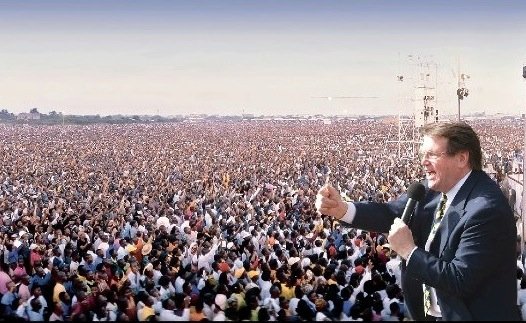
In contrast to the first two roles, evangelists remain vital in the modern church. These individuals are passionate about sharing the Good News of Jesus Christ and excel in outreach efforts. They focus on communicating the message of salvation to those who have yet to hear it, stirring a sense of urgency within the church to reach the lost. Evangelists often train and inspire others to share their faith creatively. This gifting can take many forms and does not necessarily resemble the traditional image of large crowds and fiery sermons.
Pastors (Elders)
Pastors serve as shepherds to their congregations, offering care, counseling, and support. They are deeply invested in the spiritual well-being of their church members and play a central role in teaching and guiding the community. Pastors foster relationships within the church and create an environment of love and support. It’s worth noting that “pastor” is a modern term that appears only once in the Bible, where it would be more accurately described as elder or shepherd. Thus, in function and authority, there is no difference between a pastor and an elder, unless a church designates the title of “Pastor” for those elders in full-time, paid ministry. This distinction, while not biblical, can be practically useful.
Teachers
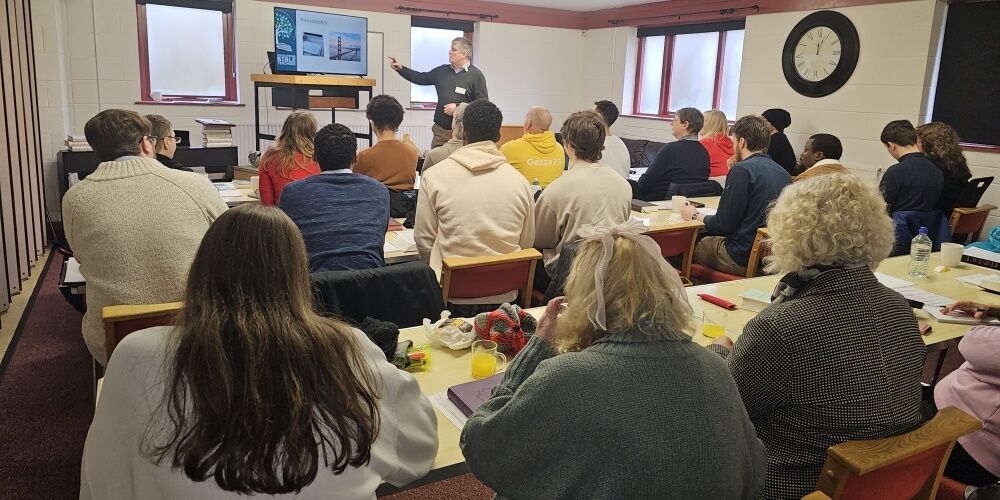
Teachers are gifted in instructing and equipping church members with biblical truths and practical applications. With a deep understanding of Scripture and strong communication skills, teachers play a crucial role in discipleship. They ensure that believers are well-grounded in their faith and prepared to serve in the good works God calls them to. In some circles, the roles of pastor and teacher are considered synonymous, with the belief that an elder or pastor must be able to teach in order to serve in that capacity.
How the Five-Fold Ministry Works Together
The Five-Fold Ministry flourishes when these roles are understood and embraced within a church community. Each role offers unique perspectives and skills that contribute to the overall mission of the church, supporting and enhancing one another. For instance, while teachers provide doctrinal instruction, pastors/elders facilitate environments where that teaching can be applied in community life, and evangelists encourage outreach based on the solid foundation of the doctrine taught. The eldership collaborates with the church’s teachers to establish a cohesive vision for the congregation, aligning their efforts toward achieving that vision.
By functioning within their God-given roles, the Five-Fold Ministry fosters spiritual growth among congregants, leading to sanctification and maturity in service to Christ. In a healthy church environment, leaders from each of these ministries listen to one another, share insights, and collaborate on initiatives, resulting in a more effective leadership team. Members benefit from diverse perspectives and are encouraged by the cooperation among the leadership, ultimately fulfilling the church’s mission—the salvation of those being saved.
The Five-Fold Ministry offers a powerful framework for understanding how various roles contribute to the health and growth of the church. By recognizing and nurturing these gifts, congregations can experience a more vibrant and effective service to others. Whether through preaching, teaching, healing, or outreach, every member plays a vital role in fulfilling the church’s mission. Embracing this model brings balance, unity, and a renewed focus on God’s work in and through His people.
Are you called to the Five-Fold Ministry? Leave a comment below if you think so. If not, what do you think God is calling you to do in this life for him and for his church?
Check out the entire series: Part 1, 2, 3, 4, 5, 6, and 7.

 Harbor Baptist Church
Leave a comment